Freshwater Mussels
Regulations
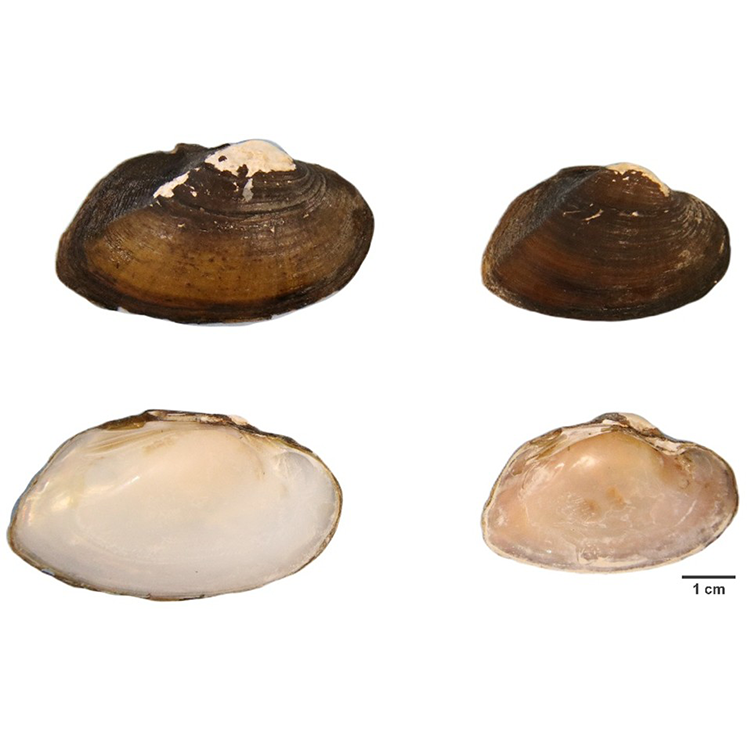
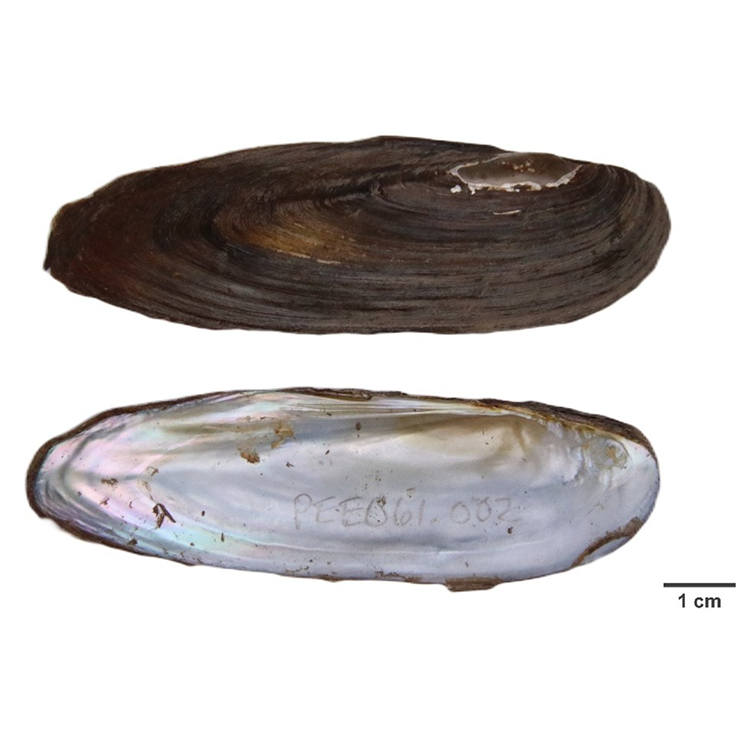
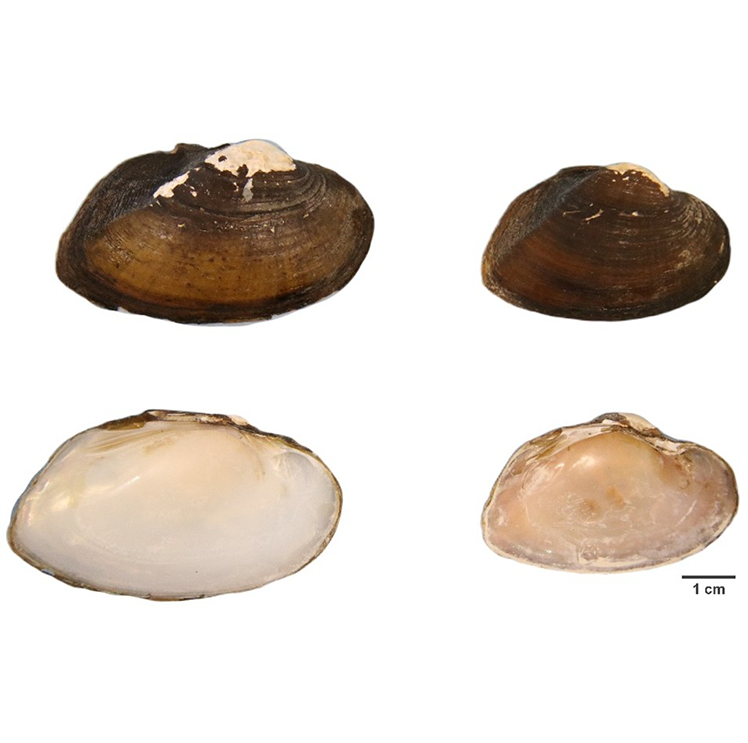
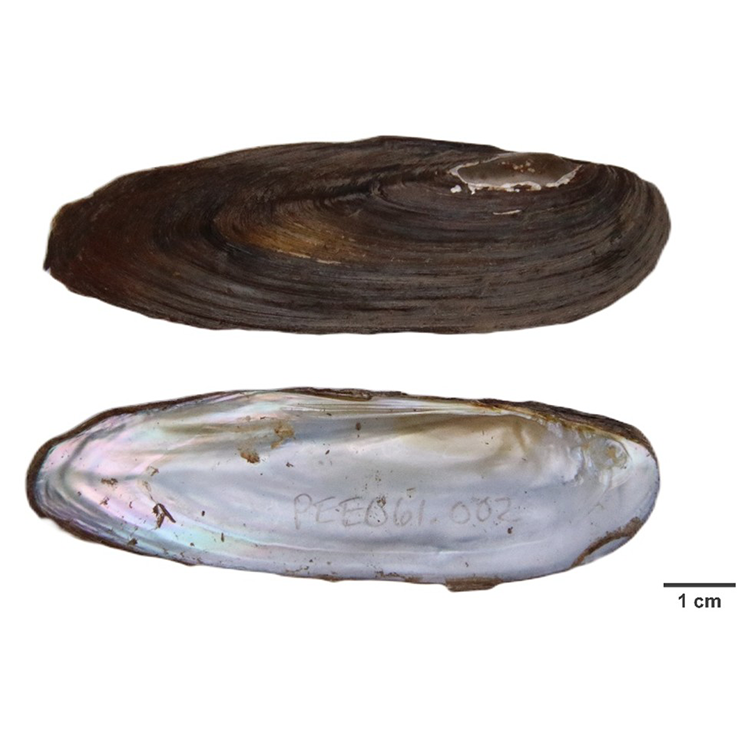
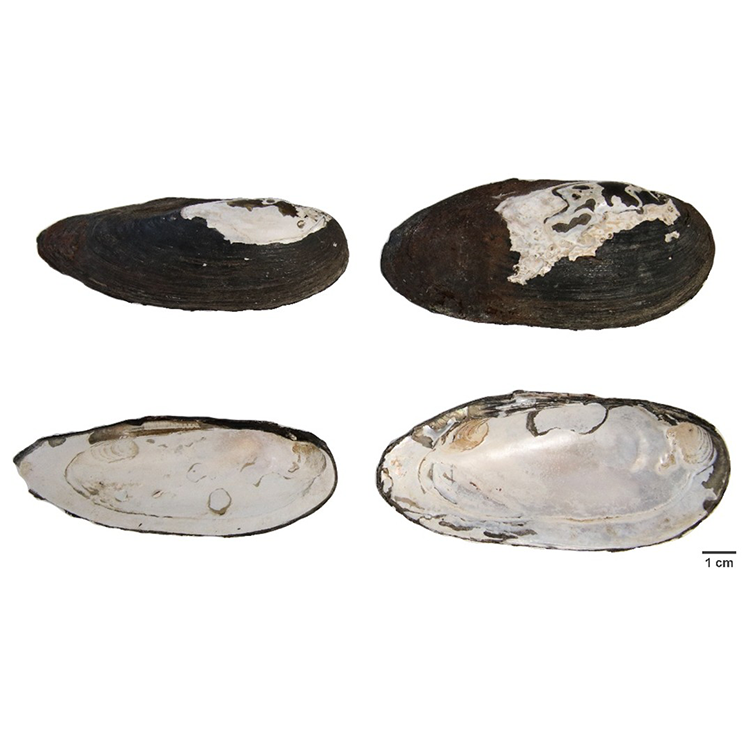
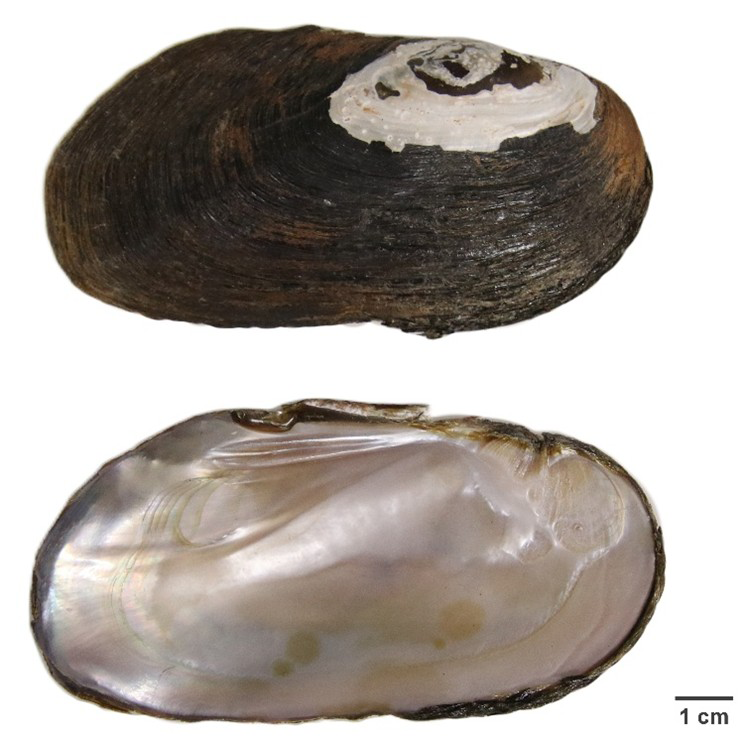
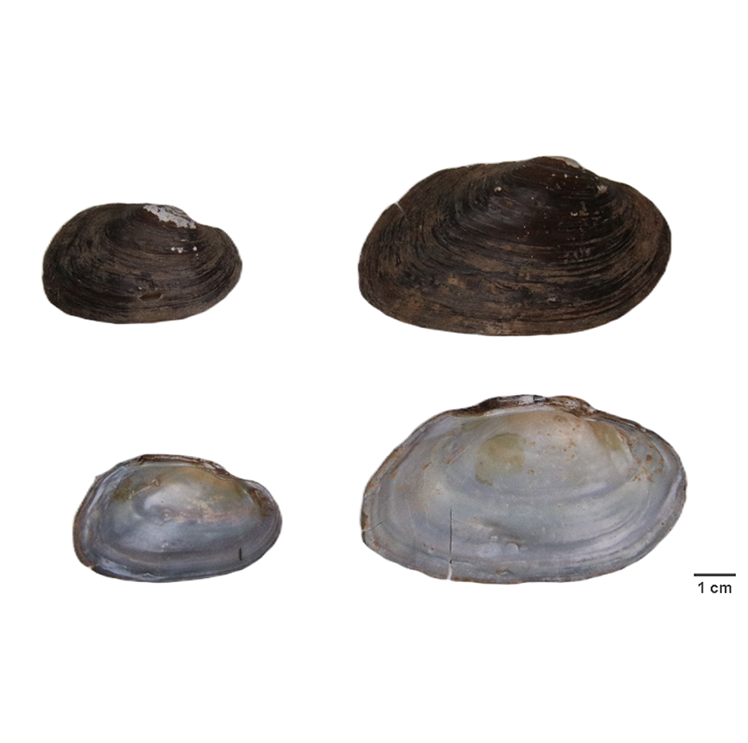
Native Unionid Freshwater Mussels: It is illegal to take, possess, transport, import, export, process, sell, offer for sale, ship, or receive native unionid mussels without a scientific collection permit from SCDNR. See Figures 1-8 below for examples of native unionid mussels.
Key Characteristics: Do NOT have equidistant parallel bands on the shells. Most often, animals are not symmetrical. Colors range from brown, black, pale yellow to green.
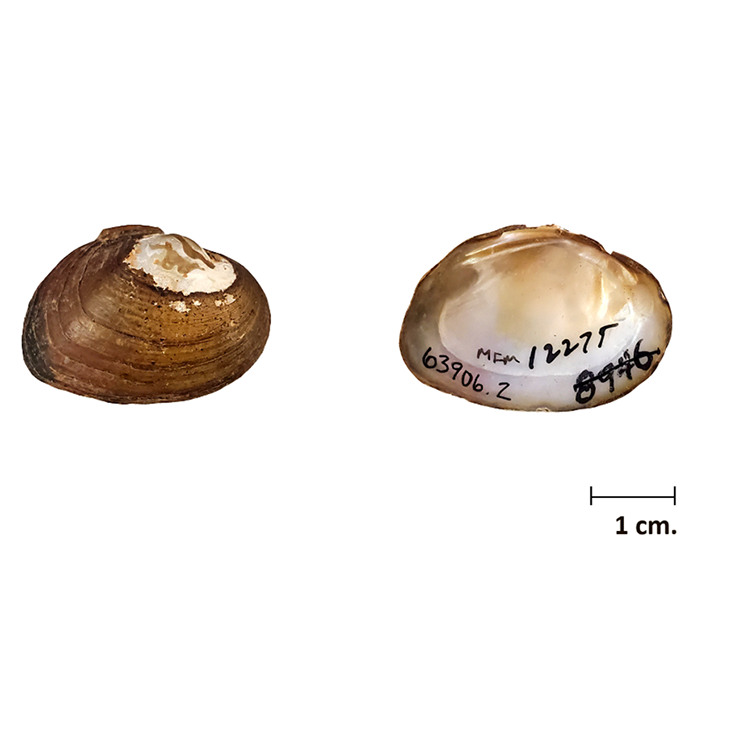
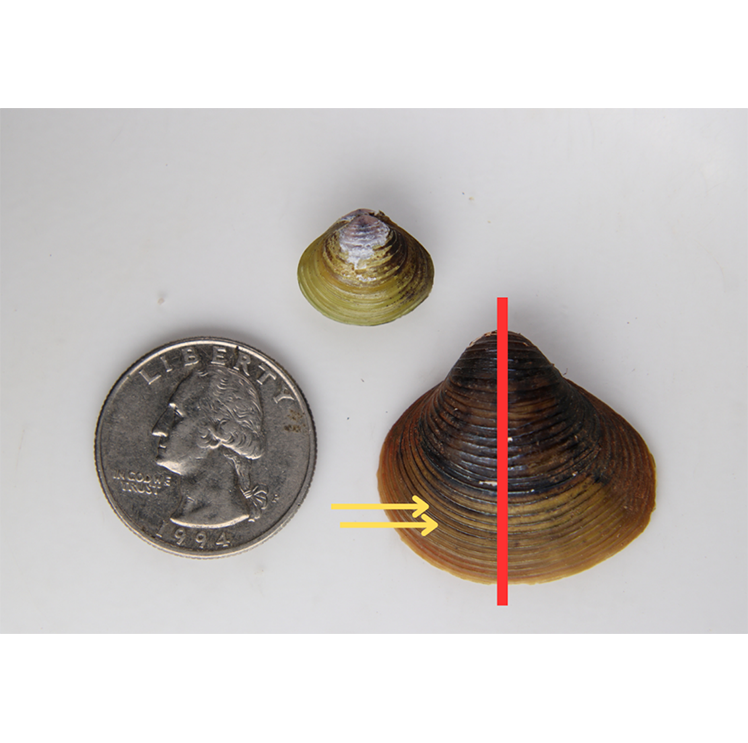
Non-native, Invasive Corbicula Clams: Corbicula are legal to take with a valid freshwater fishing license. See Figure 9 below for examples of Corbicula clams. Key Characteristics: Typically, the size of a quarter but no bigger than the size of a fifty-cents piece. Have equidistant parallel bands on the shell that are most usually raised. Symmetrical and rounded. Ranges in color from pale to deep yellow, and brown to black.
Quick Facts
- There are at least 30 species of native freshwater mussels in South Carolina, 23 of those species are state endangered, threatened, imperiled, or of conservation concern, and 1 species, the Carolina Heelsplitter, is federally endangered.
- Freshwater mussels are natural water filters, and a single mussel is capable of filtering up to 8 gallons of water a day.
- Freshwater mussels feed on different sized algae, bacteria, and detritus, such as tiny pieces of leaves.
- Freshwater mussels create and provide habitat for other aquatic organisms.
- Freshwater mussels HAVE to interact with fish to reproduce, check out the Life-Cycle section for more.
- Freshwater mussels are one of the most vulnerable groups of organisms in the world.
- Freshwater mussels are the canary in the coal mine of aquatic systems and are the first organisms to show signs of decline from pollution and habitat degradation.
Importance
90% of the mussels in North America occur in the Southeastern United States, with 29 species occurring in South Carolina including an endangered species—the Carolina heelsplitter. Mussels are one of the most imperiled aquatic resources in the US, as they were once heavily harvested commercially in the pearl industry, although not in SC. The major threat to mussels today is from habitat degradation caused by:
- increased sediment in streams and runoff from pollutants such as household wastes, fertilizers, animal fecal material
- heavy metals and ammonia from sewage treatment plants or certain agriculture practices
- and, altered water flows due to impoundments.
Freshwater mussels are an integral part of an aquatic ecosystem. They serve as indicators of a healthy ecosystem. When mussels began to disappear from a water body, it is a clear sign that something is wrong. Mussels filter large volumes of water, removing food items such as algae, bacteria, diatoms and fine particulate organic material.
Mussels are important to ecosystems. However, when a non-native mussel species is introduced into a system, it is proven that the natural balance of the ecosystem is disturbed—as is the case with the non-native, invasive Asian clam (Corbicula spp.). The Asian clam (Corbicula fluminea) was first reported in the United States in Washington's Columbia River in the 1930s. It was likely introduced intentionally for harvest and consumption purposes. Corbicula fluminea spread mostly through human activities, such as bait bucket dumping, aquaria releases into streams or canals, and intentional releases by people who bought the clams at food markets. Asian clams may also have been introduced accidentally in shipments of imported aquaculture species. Another pathway for dispersal is the passive movement of larvae in water currents.
Since the initial introduction into the United States in Washington's Columbia River in the 1930s, the Asian clam spread across the country, with the first reports in South Carolina from the Pee Dee River in the late 1960s or early 70s. From there it spread to the Savannah River, the Santee Rivers, and throughout the state. Ecological impacts of Asian clam infestations include the altering of benthic substrate and increased competition with native species for food and habitat resources. Periodic massive die offs of the Asian clam have been linked to mortality of native freshwater mussels, and the clam has been blamed for the decline and local extinctions of several native freshwater mussel species.
Commonly Seen Mussel Species in SC
- Asian clam
- Carolina heelsplitter
- Eastern floater
- Paper pondshell
- Eastern pondhorn
- Eastern lampmussel
- Rayed pink fatmucket
- Eastern pondmussel